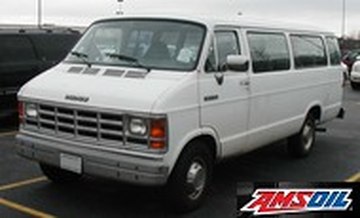
Engine Lubrication and Maintenance for the 1982 Dodge Trucks B350 VAN 5.9L
Maintaining a large-displacement engine requires consistent attention to lubrication quality and system integrity. For owners of the 1982 Dodge Trucks B350 VAN equipped with the 5.9L engine, routine service is the most effective way to manage the mechanical health of the vehicle. Because these vehicles are often utilized for significant hauling or long-distance travel, understanding how to monitor and maintain the lubrication system is essential for long-term operation.
Monitoring Fluid Condition and Potential Leaks
One of the primary aspects of engine care involves regular visual inspections. For a vehicle of this age, checking for signs of fluid seepage or leakage is a practical starting point. It is helpful to inspect the area around the engine block and various sealing surfaces for any evidence of wetness or residue that might indicate a failing gasket or seal. While some minor seepage can occur as components age, identifying these areas early allows for more controlled maintenance decisions.
Beyond looking for external leaks, observing the condition of the oil itself provides valuable information. When checking the oil level, the appearance of the lubricant can be telling. If the oil appears excessively dark or contains visible particulates, it may indicate that the service interval has been exceeded or that there is significant internal contamination. Additionally, any sudden changes in how much oil the engine seems to use between checks should be investigated, as unusual consumption can be associated with various mechanical factors.
Managing Maintenance Records and Service History
For long-term ownership of a 1982 Dodge Trucks B350 VAN, establishing a clear maintenance baseline is highly beneficial. If you have recently acquired the vehicle and do not have access to previous service logs, your first priority should be to document all upcoming and completed tasks. This includes recording the dates and details of every oil change, filter replacement, and fluid service.
A well-maintained history allows an owner to distinguish between routine maintenance and emerging issues. For example, if you know exactly when the last service was performed, you can more accurately determine when the next one is due according to the appropriate maintenance schedule. Furthermore, having a record of past repairs helps in identifying patterns; if a specific area requires frequent attention, your records will provide the evidence needed to make informed decisions about more permanent mechanical solutions rather than temporary fixes.
Observing Potential Warning Signs
While many maintenance needs are identified through scheduled service, some require immediate attention based on observed symptoms. It is important to recognize that a single symptom can have multiple underlying causes, so any unusual occurrence warrants a thorough investigation.
- Unusual Noises: Any new mechanical sounds coming from the engine area during operation should be noted and inspected.
- Fluid Discoloration: Changes in the color or consistency of the oil can indicate contamination or thermal breakdown.
- Exhaust Observations: While exhaust characteristics can vary based on many factors, any noticeable change in smoke color or frequency warrants an inspection of the engine's combustion and lubrication state.
- Warning Indicators: If the vehicle is equipped with dashboard indicators related to oil pressure or temperature, these should never be ignored. An active warning light requires immediate investigation to prevent potential damage.
Approaching these signs with a systematic mindset—rather than jumping to a single diagnosis—ensures that the actual root cause is addressed during service.
Prioritizing Service as the Vehicle Ages
As vehicles move through different stages of their lifespan, maintenance priorities often shift. For an older 1982 Dodge Trucks B350 VAN, it is more effective to prioritize tasks based on the current physical condition of the vehicle rather than relying solely on its age. This means focusing resources on addressing active leaks or visible signs of wear before moving on to purely preventive measures.
When deciding where to focus your efforts, consider these steps:
- Review existing documentation: Determine what has been done and what is currently overdue.
- Assess component condition: Inspect aging materials such as hoses (if present) or accessible belts (if equipped) for signs of cracking, glazing, or fraying.
- Monitor fluid consumption: Keep a close eye on how the engine utilizes its lubricants to detect changes in efficiency or sealing integrity.
- Address active issues first: If a component is showing clear signs of deterioration, it should take precedence over general cleaning or cosmetic maintenance.
This condition-based approach helps ensure that maintenance spending is directed toward the areas that most impact the vehicle's reliability and operational safety.
General Engine Component Inspection
During routine service, it is useful to look beyond just the oil itself. A comprehensive check of the engine compartment can reveal several other items that require attention. For instance, inspecting the condition of the air filtration system ensures that the engine is receiving clean air, which is vital for maintaining proper combustion and reducing internal buildup. Similarly, checking electrical connections and wiring for signs of corrosion or heat damage can prevent unexpected starting or running issues.
If the vehicle is equipped with various belts or hoses, these should be checked for any visible deterioration. While it is not necessary to replace every component that shows minor aging, being aware of the state of these parts allows you to plan for replacements before a failure occurs during operation. This proactive mindset is a cornerstone of effective long-term vehicle ownership.
Practical Advice for Buying Engine Oil for your 1982 Dodge Trucks B350 VAN 5.9L
When it is time to replenish the lubrication in your engine, the most important step is to ensure the product you select matches the specific requirements of your application. To avoid errors, always match the engine oil to the application-specific viscosity information already displayed on this webpage.
As you browse available products, keep the following practical tips in mind:
- Verify Product Labels: Before completing a purchase, double-check that the SAE viscosity and API service classifications on the bottle align with the requirements listed for your 5.9L engine.
- Consider Formulation Types: Depending on your specific needs and the current condition of your engine, you may choose between conventional oil, synthetic blends, or full synthetic formulations. Some high-mileage oil formulations contain additives intended for use in aging engines, including seal-conditioning additives that may be useful for older applications.
- Check Certification: Ensure the oil meets the appropriate modern API standards to guarantee it provides the necessary level of protection against oxidation and deposit formation.
By following the specific guidance provided in the application information on this page, you can select a lubricant that supports the continued operation of your 1982 Dodge Trucks B350 VAN.